
Your home is meant to be the one place where you can relax without constantly thinking about risks or problems. After a long day, closing the door behind you should bring a sense of comfort. But that feeling of safety is not only about strong locks or solid doors. It is also shaped by how your mind interprets your surroundings.
Psychologists often point out that people feel calm when their environment feels predictable and controlled. When something seems uncertain or exposed, your mind stays alert even if there is no real danger. This is why improving safety at home is not only about preventing crime. It is also about creating an environment that allows your mind to rest. Understanding how your brain reacts to safety signals can help you make practical changes that genuinely improve your sense of security.
Why Your Brain Responds to Signs of Safety
Your brain is constantly observing the environment around you. It looks for signals that suggest safety or potential risk. These signals can come from things you might not even notice consciously. For example, a bright entrance, a clear view of the front door, or the sound of a locked door closing can all reassure your mind. On the other hand, dark areas, hidden corners, or unfamiliar noises may trigger caution.
When your surroundings feel organised and secure, your brain begins to relax. This can lead to:
- Better sleep at night
- Less background stress
- Greater comfort while spending time at home
- More confidence when leaving the property unattended
These psychological effects show that feeling safe is closely connected to how well your environment communicates stability and control.
Simple Steps That Help You Feel Psychologically Safe at Home
Improve Visibility Around Your Home
Your brain feels calmer when spaces are easy to see and understand. Poorly lit areas or hidden corners can make your surroundings feel uncertain, even if nothing is actually wrong. Start by looking at the areas around entrances, pathways, and windows. If these places are dark or difficult to see at night, consider adding better lighting.
Outdoor lights near doors and gates make it easier to notice movement and reduce the feeling of vulnerability. You can also trim bushes or plants that block windows or walkways. Clear visibility sends a strong signal to your mind that everything around the home is open and under control.
Strengthen Your Daily Security Habits
Routine plays an important role in psychological comfort. When you follow consistent habits, your brain recognises patterns that signal safety. Simple actions can make a noticeable difference. For example, locking doors and windows before going to bed creates a clear sense of closure at the end of the day.
Checking the house before leaving also helps you feel confident while you are away. These routines may seem small, but they help establish a feeling that your home environment is being actively managed. So, start building them from today and see the difference yourself.
Keep Entry Points Organised and Easy to Monitor
The way entrances are arranged can influence how safe a home feels. If doors or windows are hidden behind clutter, fences, or large plants, it becomes harder to monitor them easily. Try to keep entry points clean and visible from inside the home whenever possible.
Being able to glance at the front door or see the pathway leading to it can give your mind reassurance that everything is normal. When access points are clear and predictable, your brain spends less energy worrying about what might be happening outside.
Reduce Hidden or Unused Spaces
Unused corners, narrow side paths, or poorly maintained areas around a home can sometimes create uncertainty. These spaces tend to go unnoticed precisely because they are out of the way, but that lack of attention is often what makes them feel unsettling. Overgrown hedges, cluttered passageways, or dim alcoves can all contribute to a feeling that parts of your home are simply unknown territory.
Walk around your property and notice areas that feel neglected or rarely used. You may be surprised by how many small corners have quietly been ignored over time. Improving lighting in these spots, clearing away accumulated debris, trimming back overgrowth, or simply reorganising how the space is used can make a significant difference. When every part of your property looks cared for and visible, your mind naturally interprets the space as safer.
Use Technology That Supports Awareness
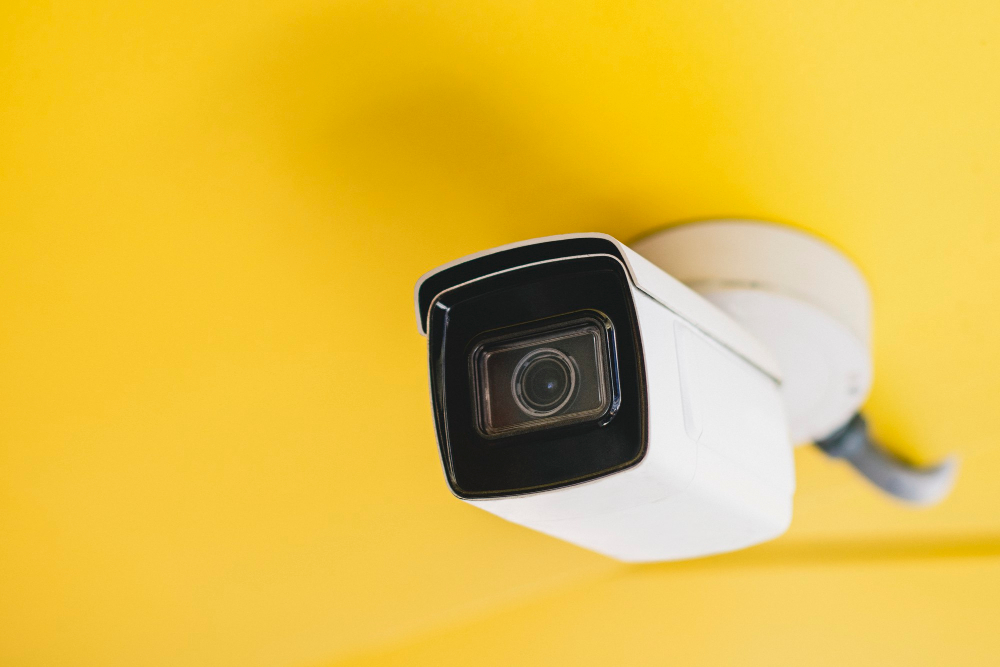
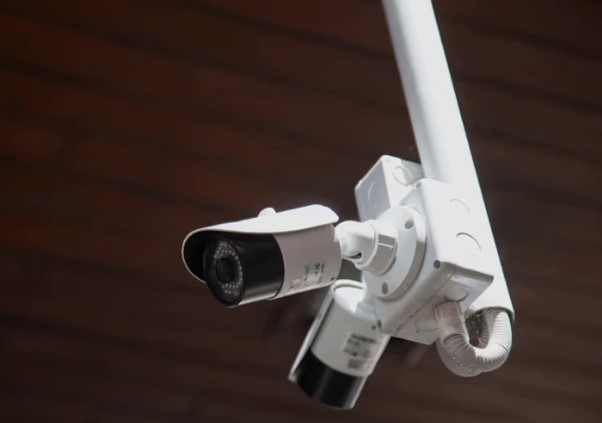
Modern tools can also help reinforce your sense of control. Monitoring devices, motion lights, and alerts can help you stay aware of what is happening around your property, even when you are not actively watching. Many homeowners explore a home security solution that allows them to monitor entrances or receive notifications if something unusual occurs.
In some areas, households also look into options such as a home security system Leeds when they want additional reassurance that their property is being monitored. When used in balance with simple safety habits, these systems can support both physical protection and peace of mind.
Create a Calm and Predictable Home Environment
Your surroundings influence how relaxed you feel inside your home. A well-organised space with clear routines helps your brain settle into a sense of stability. Keeping rooms tidy, maintaining good lighting indoors, and following regular evening routines all contribute to this feeling.
When your environment feels consistent and familiar, your mind becomes less alert to potential threats. Over time, these small adjustments create a home that feels secure not only physically but also psychologically.
Building a Lasting Sense of Safety
Psychological safety at home develops through a combination of environment, habits, and awareness. You do not always need major changes to achieve it. When your home feels predictable and well managed, your mind naturally relaxes. That sense of calm is one of the most valuable aspects of feeling truly safe where you live.


Leave a Reply