
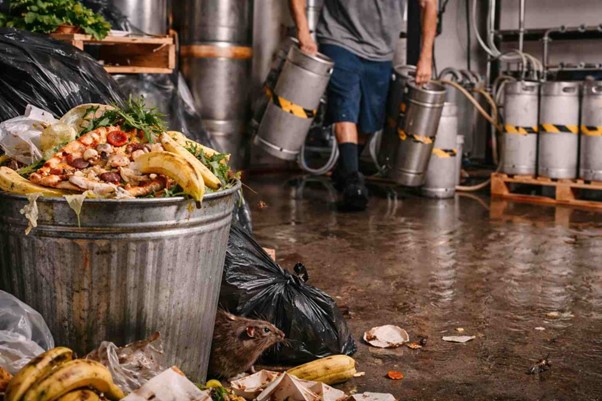
You may not think much about your trash after tossing it out. It feels like the problem is gone. But the truth is, what you throw away does not just disappear. It sits, it smells, and it slowly invites trouble. That trouble often shows up in the form of pests. And once they arrive, they rarely come alone.
Why Waste Attracts Pests So Easily
Waste is a perfect food source. It is easy, it is accessible, and it is often left exposed longer than it should be. Food scraps, packaging, and even organic waste create a strong scent that pests can detect from a distance. Rodents, insects, and even larger animals are always searching for their next meal. Your garbage becomes their opportunity.
When bins are not sealed properly or are left overflowing, the situation gets worse. Warm weather speeds up the decay process, making the smell stronger and more attractive. Before you realize it, your space becomes a feeding ground.
The Domino Effect You Do Not See Coming
One small issue can quickly grow into something much bigger. A few flies today can turn into a swarm tomorrow. A small rodent sighting can lead to a full infestation in weeks. Pests reproduce fast, and waste gives them the perfect environment to thrive.
You may also notice more outdoor activity, especially during warmer months. Wasps, for example, are drawn to sugary waste and food leftovers. Once they find a reliable source, they start building nests nearby. This is where concerns like Wasp removal come into the picture, especially when safety becomes a real issue for families and employees.
Health Risks That Should Not Be Ignored
Pests are not just annoying. They carry bacteria, spread diseases, and contaminate surfaces. Flies land on waste and then on your food. Rodents leave droppings and chew through materials. Even small insects can create hygiene problems that are hard to control once they spread.
Improper waste handling increases these risks. When trash areas are not cleaned regularly, they become breeding zones. This affects not just homes but also workplaces, restaurants, and shared spaces.
Why Businesses Face Bigger Challenges
For businesses, waste management is even more critical. Larger volumes of waste mean higher chances of attracting pests. A single neglected dumpster can impact an entire building. This is why many facilities focus on structured waste handling systems and regular inspections.
In such environments, the role of Commercial pest control becomes important as part of a broader strategy. It is not just about reacting to a problem but preventing it before it starts. Clean surroundings send a strong message of care and responsibility.
Simple Habits That Make a Big Difference
The good news is that small changes can go a long way. Start with sealing trash bins tightly. Do not let garbage sit for too long. Clean bins regularly to remove residue and odors. Separate waste properly and avoid leaving food scraps exposed.
Outdoor areas also need attention. Keep spaces around bins clean and dry. Trim plants and remove clutter where pests can hide. These steps may seem simple, but they create a strong barrier against unwanted visitors.
A Cleaner Space Feels Different
There is a certain comfort in knowing your space is clean and safe. It is not just about appearance. It is about peace of mind. When waste is managed well, pests lose their reason to stay. And when they stay away, everything feels just a little bit easier.
Taking care of waste is not just a routine task. It is a quiet but powerful way to protect your space, your health, and your daily life.





Leave a Reply