
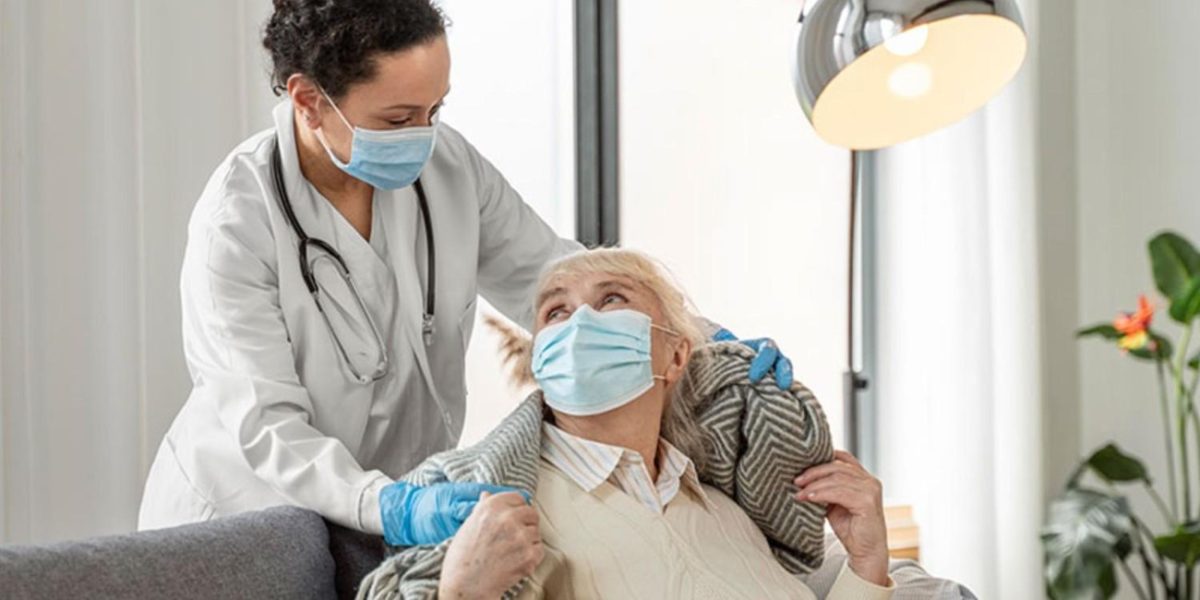
Preventive healthcare is essential for maintaining overall wellness and reducing the risk of serious illnesses. By focusing on early detection and healthy lifestyle choices, individuals can improve their quality of life and achieve better long-term health outcomes.
Importance of Preventive Care in Modern Healthcare Practices
Early Detection of Health Issues Through Regular Screenings
Preventive care focuses on identifying potential health problems before they become serious. Routine checkups, screenings, and assessments help detect conditions early, allowing for timely treatment and improved health outcomes.
Promoting Healthy Lifestyle Choices and Habits
Healthcare professionals provide guidance on nutrition, exercise, and stress management. Many individuals also explore weight loss canton programs as part of their preventive strategy, helping them maintain a healthier and more balanced lifestyle.
Reducing Long-Term Healthcare Costs and Risks
Preventive care helps minimise the need for expensive treatments by addressing health issues early. This approach reduces both financial strain and the risk of developing severe medical conditions.
Enhancing Overall Quality of Life and Well-Being
Maintaining good health leads to improved physical and mental well-being. Preventive care supports individuals in living healthier, more active lives with fewer medical complications.
Continuous Monitoring and Personalised Health Planning
Nurse practitioners play a key role in providing ongoing support. They create personalised health plans, monitor progress, and guide patients in maintaining long-term wellness through consistent care.
Conclusion
Preventive care nurse practitioners are essential in promoting long-term health and well-being. Their focus on early detection, lifestyle guidance, and continuous support helps individuals maintain a healthier and more balanced life.





Leave a Reply