
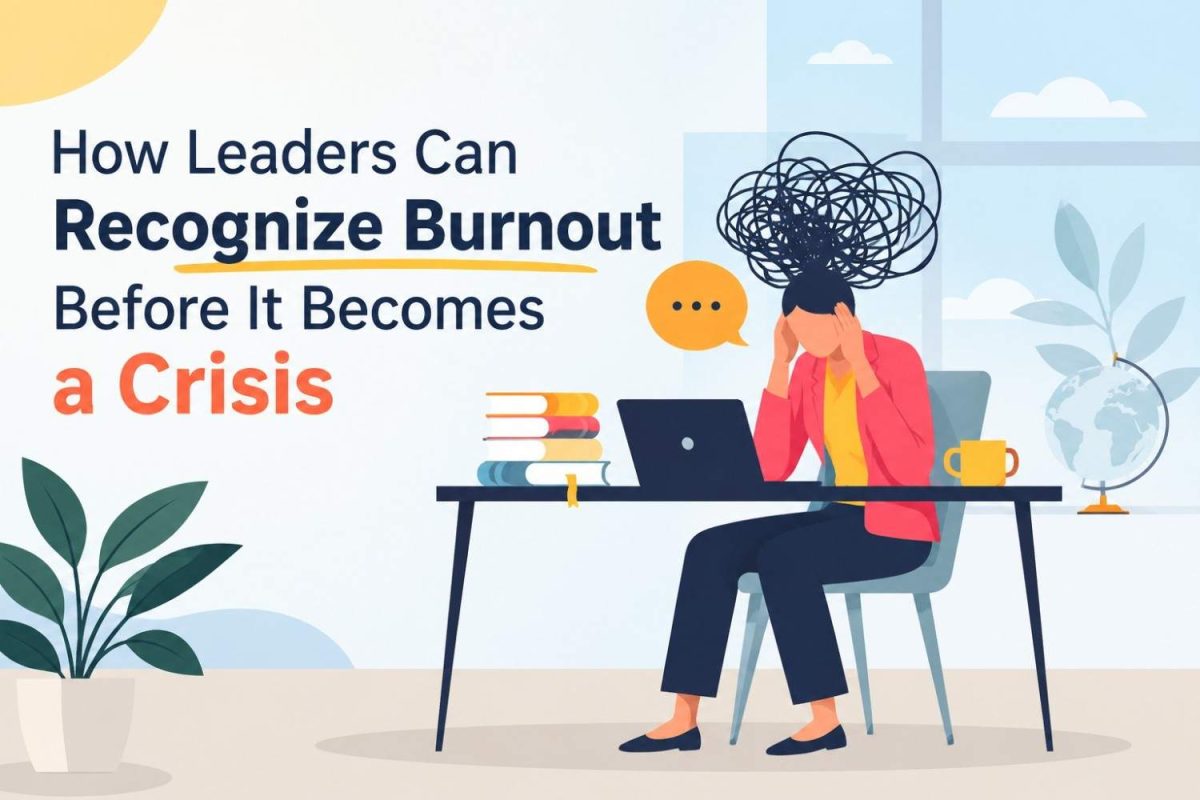
Let’s be honest! Burnout does not happen overnight. It happens gradually. A few late nights, skipped lunch breaks, and constant exhaustion can gradually lead to burnout. The tricky part? Burnout does not always look like someone falling apart. For leaders, it is essential to recognize the early signs of burnout to prevent crisis.
Here is how to spot burnout before it turns into a bigger problem:
What Leaders Should Do To Recognize Burnout Early
Notice When Star Performers Start Slipping
Every team has that one person who is sincere about work, meets deadlines, and somehow can handle everything. Do you notice they suddenly start missing details, making unusual mistakes, or can’t handle tasks easily? Don’t judge their performance easily. These changes can be signs of mental exhaustion. Ask them: “Is something making your workload harder to manage lately?” You can learn the actual reason.
Pay Attention to the Energy in the Room
Remember when team meetings were full of ideas, jokes, and lively discussions? If meetings now feel surprisingly quiet, don’t ignore it. Burnout can make people withdraw, lose interest, or stop contributing ideas. Some employees may become unusually irritable and stop speaking up. Create space for honest conversations. Sometimes, people just need to speak openly without being judged.
Watch for the “Always Online” Trap
If an employee replies to emails at midnight, it might seem dedicated. But late-night messages, skipped breaks, and weekend work should not become normal. There can be a bigger issue hiding beneath all that commitment. Constant availability doesn’t mean high productivity. It can mean someone feels pressured to prove their worth. Leaders should encourage genuine breaks, set reasonable expectations, and respect boundaries.
Make Well-Being Part of Everyday Conversations
You don’t have to wait for an employee to become burned out to discuss stress. You can simply ask: “How manageable is your workload?” or “What’s taking up most of your energy right now?” With this approach, you can uncover problems early. If you find burnout issues, consider burnout prevention training for more supportive conversations.
Look for Patterns
If you notice several employees seem exhausted, miss deadlines, or take sick days frequently, don’t assume everyone suddenly has a motivation problem. Look at the bigger picture. Are workloads unrealistic? Are priorities changing? Is the team struggling with unclear expectations? As a leader, you should address these patterns to create healthier teams.
Burnout prevention starts long before someone says, “I can’t do this anymore.” To recognize burnout early, look for the above-mentioned signs and make meaningful adjustments.





Leave a Reply