
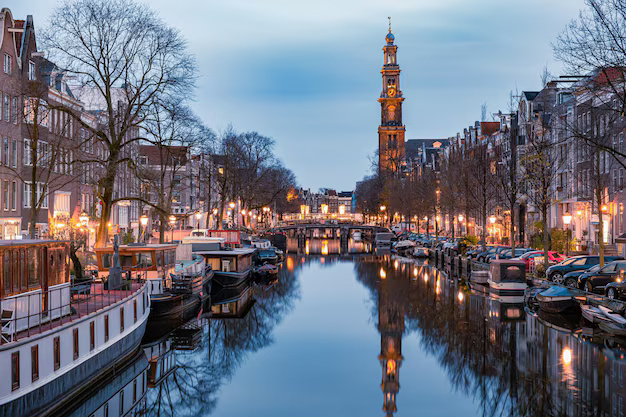
Amsterdam is not the kind of place you rush through. It is a city that feels calm even when it is busy, layered even when it looks simple. At first glance, you see canals, bikes, and narrow houses lined up neatly along the water. But the longer you spend here, the more you realize that the city is built on stories, habits, and a very specific way of living that has developed over centuries. To really understand Amsterdam, you need more than photos. You need context, movement, and time.
Many visitors arrive with expectations shaped by images they have seen online. Those images are not wrong, but they are incomplete. Amsterdam is not just pretty. It is thoughtful, practical, and deeply human. It reveals itself gradually, especially when you explore it with curiosity instead of urgency.
A City Designed Around People
Amsterdam was shaped long before modern traffic and fast travel. That history shows in how the city feels today. Streets are narrow, distances are walkable, and neighborhoods flow naturally into each other. Life here is built around people rather than vehicles, and that creates a sense of balance that visitors often notice right away.
As you move through the city, you start to see how carefully everything fits together. Canals are not just decorative. They were once essential for trade, defense, and daily transport. Buildings lean slightly, shaped by centuries of use and adaptation. Nothing feels accidental. The city grew slowly, responding to real needs rather than grand plans.
Understanding Amsterdam Beyond Landmarks
Famous sights matter, but they only tell part of the story. The deeper understanding comes from seeing how history connects to everyday life. Old warehouses sit beside modern homes. Former industrial areas now host creative spaces. Traditions continue quietly, without needing to be explained or advertised.
This is where an Amsterdam city tour can shift your perspective. Instead of simply showing where things are, it helps explain why they exist and how they fit into the bigger picture. Streets begin to make sense. Neighborhoods gain personality. The city stops feeling like a maze and starts feeling intentional.
Neighborhoods That Show Different Faces
Amsterdam is not one single experience. Each neighborhood reflects a different side of the city’s identity. The historic center shows its global past, shaped by trade and constant movement. Jordaan feels intimate and lived in, where daily routines define the atmosphere more than attractions. De Pijp reflects diversity and energy, with cultures blending naturally through food and street life. Amsterdam Noord shows how the city continues to evolve, turning old spaces into places for new ideas.
Experiencing these areas together helps you understand how Amsterdam balances tradition and change. It is a city that respects its past without being stuck in it, always finding ways to adapt while staying true to itself.
Learning at a Comfortable Pace
One of the most noticeable things about Amsterdam is how much better it feels when you slow down. When the pace is right, learning becomes natural. You have time to notice details, ask questions, and connect what you see to what you hear. Information does not feel overwhelming because it arrives in context, tied to real places and moments.
This approach turns exploration into understanding. You are not just moving through the city. You are building a mental map that connects history, culture, and daily life in a way that stays with you.
Small Awareness Makes a Big Difference
Being comfortable and aware changes the entire experience. Walking is central here, so practical shoes matter more than style. Paying attention to bike lanes is essential, since bicycles are a core part of local life and move quickly through the streets. Leaving space in your schedule allows room for reflection and unexpected discoveries, which often become the most memorable parts of the day.
Openness also plays a role. Amsterdam values directness and curiosity. Visitors who engage with interest and respect often find the city responds warmly, offering insight instead of distance.
Leaving With Understanding, Not Exhaustion
The best way to experience Amsterdam is not by trying to see everything, but by understanding something deeply. When you explore the city with attention and intention, it leaves you feeling enriched rather than tired. You remember how places felt, not just how they looked.
Amsterdam is a city that rewards those who listen. When you take the time to move through it thoughtfully, it offers clarity, connection, and a sense of balance that stays with you long after the trip ends.

Leave a Reply