
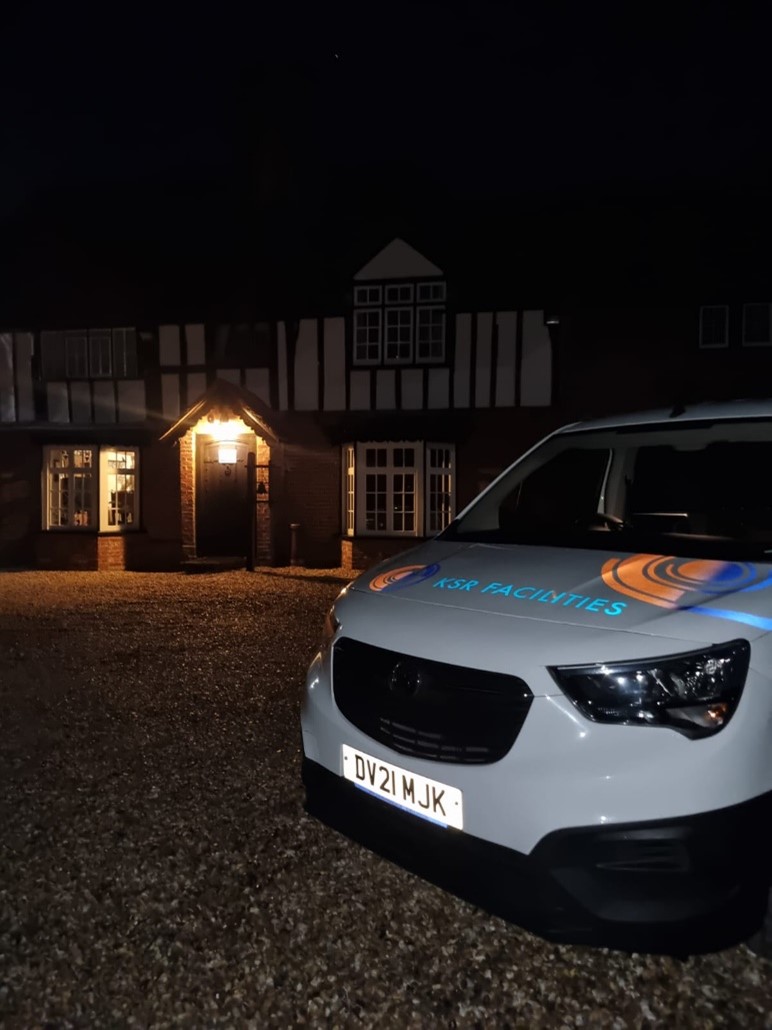
You can feel it the moment you walk into a place that just works. The lights are right, the doors open when they should, everything feels clean, safe, and quietly under control. No chaos, no confusion, just a smooth kind of order that most people never stop to think about. But behind that feeling is a lot going on, and more often than not, it comes down to how security and day to day operations are managed together instead of separately.
That idea of bringing things under one roof is not new, but it is becoming way more important now. Buildings are getting smarter, expectations are higher, and people notice when something feels off. So instead of treating safety and upkeep like two different jobs, more places are blending them into one simple, connected system.
Why everything works better when it works together
Think about it like this. If your security team is doing one thing and your maintenance team is doing another, there is always going to be a gap. Maybe a broken camera does not get fixed quickly because it is logged under maintenance. Or maybe a door sensor keeps failing but no one connects it to a larger safety issue. These little disconnects build up.
When both sides are aligned, things just flow better. Problems get spotted earlier. Fixes happen faster. And there is less back and forth between teams trying to figure out who is responsible. It becomes less about reacting and more about staying ahead of things.
This is where Facilities Management naturally comes into the picture. Not as some big complicated idea, but as a way of making sure all the moving parts in a building are actually moving together. It is less about control and more about clarity.
The human side of safety and maintenance
It is easy to think this is all about systems and technology, but honestly, it is still very human. People notice when a place feels safe, even if they cannot explain why. Maybe it is the way staff respond quickly, or how everything looks cared for, or how access feels smooth but not loose.
When teams are integrated, communication becomes easier. A security guard noticing a flickering light can report it instantly, not just as a maintenance issue but as something that could affect visibility and safety. A cleaner spotting a damaged lock can flag it before it becomes a bigger problem.
These small, everyday observations matter more than big dramatic fixes. And they only really work when people are connected, not siloed.
Simple ways integration shows up in real life
You do not need to imagine some futuristic building to see this working. It shows up in small, practical ways.
For example, access control systems that sync with maintenance schedules. If a certain area is being repaired, access can be adjusted automatically instead of relying on manual updates. Or shared reporting tools where both security and maintenance teams log issues in one place, so nothing slips through the cracks.
Even something as basic as shared training makes a difference. When teams understand a bit about each others roles, they start noticing things they would have ignored before.
And honestly, a lot of this is less about adding new tools and more about using what is already there in a smarter way.
Learning from people who already do it well
Some companies have been quietly doing this for years without making a big deal out of it. If you look at how teams operate at places like ksrfacilities.co.uk, you start to see a pattern. Their approach is not about overcomplicating things. It is about making services feel connected so clients do not have to think about what is happening behind the scenes.
That kind of setup does not come from throwing more people at the problem. It comes from planning things in a way that makes sense day to day. Clear roles, shared goals, and systems that support both.
It is actually pretty refreshing because it feels practical, not theoretical.
The hidden benefits people often miss
One thing people do not always talk about is how this approach reduces stress. When teams are not chasing each other for updates or fixing the same issue twice, the workday just feels lighter.
There is also a financial side to it, even if no one is shouting about it. Catching issues early usually means cheaper fixes. Avoiding duplication saves time. And fewer disruptions mean better experiences for everyone using the building.
But beyond all that, there is a kind of trust that builds up. When things run smoothly over time, people stop worrying about the basics and can focus on what they actually came there to do.
Where things are heading next
If you look at how buildings are evolving, this kind of integration is only going to become more common. More smart systems, more data, more expectations from the people using these spaces.
But the core idea will probably stay simple. Keep things connected. Make communication easy. Fix problems before they grow.
Technology will help, sure, but it will not replace the need for people who notice things and act on them. In fact, it might make those human instincts even more valuable.
A better way to think about it all
At the end of the day, this is not really about security or maintenance as separate ideas. It is about how a place feels when everything is working the way it should.
You do not notice it when it is done right, and that is kind of the point.
If you are involved in running a building, even in a small way, it might be worth stepping back and asking a simple question. Are the people and systems around you actually working together, or just working alongside each other?
Because that small shift in thinking can change a lot more than you expect.




Leave a Reply