
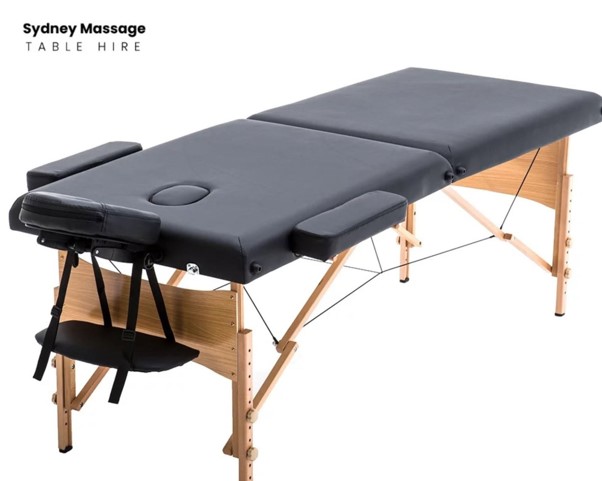
When people think about a great therapy session, they usually focus on the skills of the practitioner. While that is certainly important, the massage table for treatment plays a much bigger role than many people realise. From the moment a patient lies down, the table influences how relaxed they feel, how well their body is supported, and even how effective the session can be. A comfortable setup creates the right conditions for both the therapist and the person receiving care, making every appointment feel smoother and more beneficial.
Comfort Creates Trust From the Start
First impressions matter, especially when someone is visiting for pain relief, rehabilitation, or recovery. If a patient feels awkward, unsupported, or uncomfortable while getting into position, it can be difficult for them to fully relax during the session.
A well designed treatment table gives people confidence that they are in good hands. Good cushioning, proper width, and stable construction help reduce unnecessary pressure on joints and muscles. When someone feels physically comfortable, they are much more likely to let their body relax naturally, allowing treatment techniques to work as intended.
Feeling secure also helps reduce anxiety, particularly for first time patients who may already feel uncertain about the experience.
Better Body Position Means Better Results
Every therapy session depends on correct body positioning. Whether someone is receiving massage therapy, physiotherapy, sports recovery, or another hands on treatment, proper alignment makes a noticeable difference.
A quality table allows the therapist to position the patient comfortably without creating strain in the neck, shoulders, hips, or lower back. Adjustable features can also help support different body types and treatment styles.
When the body is properly supported, muscles are less likely to tense up unnecessarily. This allows therapists to work more effectively while patients experience greater comfort throughout the session.
Therapist Comfort Matters Too
It is easy to focus only on the patient, but therapists also benefit from using the right equipment.
Working on a table that sits at the correct height helps reduce bending, reaching, and awkward posture during long appointments. Over time, this can minimise physical fatigue and lower the risk of work related injuries.
When therapists can move freely around the table and maintain good posture, they often have better control over their techniques. That translates into more consistent pressure, smoother movements, and improved treatment quality.
A comfortable therapist is usually able to deliver a better experience for every patient they see.
Supporting Different Types of Treatments
Not every therapy session looks the same. Some patients may need gentle relaxation techniques, while others require deeper muscle work, rehabilitation exercises, or post injury care.
The right table can adapt to different situations with ease. Features such as adjustable sections, strong stability, and quality padding allow practitioners to tailor each session to the needs of the individual.
This flexibility becomes especially valuable in clinics where multiple treatment styles are offered throughout the day. Instead of working around equipment limitations, therapists can focus on delivering the care each patient requires.
Small Details Make a Big Difference
Patients often remember little things that made them feel comfortable during a visit. A stable table that does not wobble, supportive cushioning that reduces pressure points, and enough space to lie naturally all contribute to a positive experience.
These details may seem minor on their own, but together they help patients relax more quickly and remain comfortable throughout longer sessions.
When people leave feeling physically supported as well as professionally cared for, they are often more willing to continue with their treatment plans and attend future appointments.
Creating a Better Experience for Everyone
Successful therapy is never about one single factor. It comes from a combination of professional skill, patient trust, and an environment that supports healing from the very beginning.
Choosing the right treatment equipment is part of creating that environment. A comfortable table helps patients feel at ease, allows therapists to work more efficiently, and supports better positioning throughout every session.
Sometimes the biggest improvements come from paying attention to the foundations rather than the obvious things. When comfort, stability, and thoughtful design come together, both patients and practitioners can focus on what really matters, making every treatment as effective and positive as possible.




Leave a Reply