
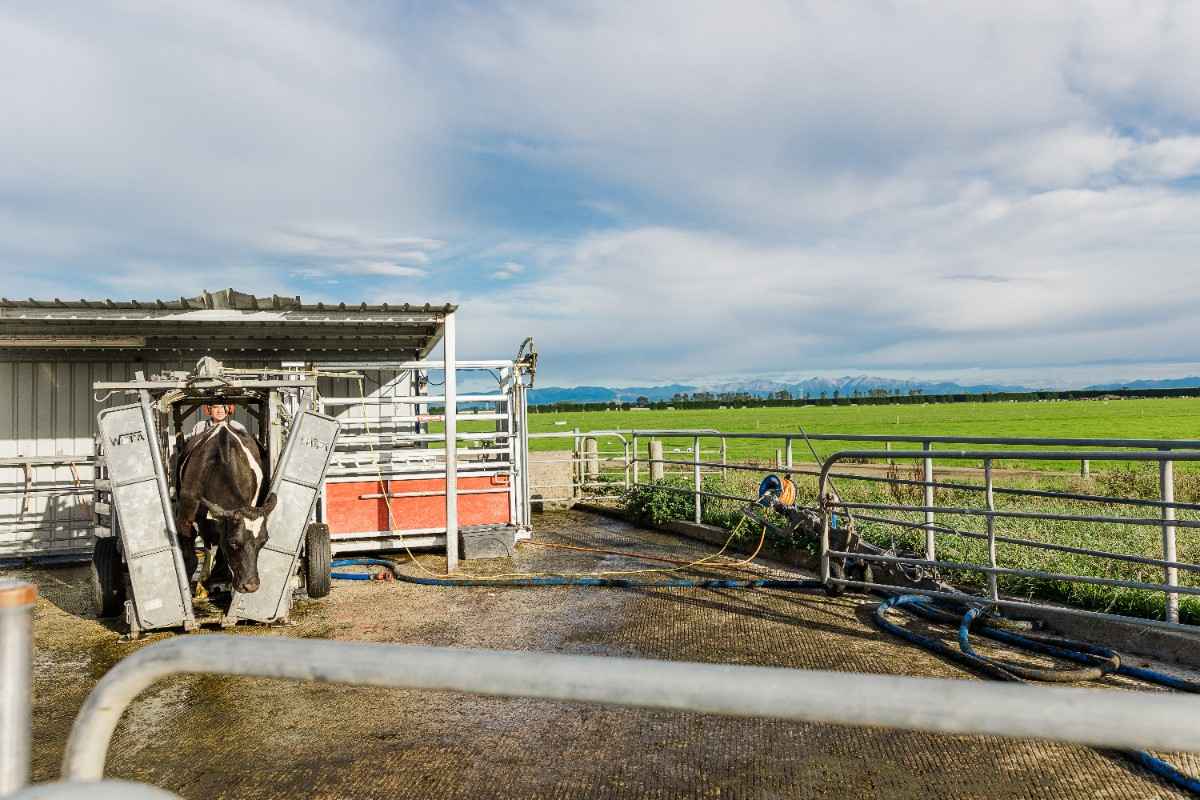
Do you run a dairy farm? Improving your farm productivity is your top priority. With rising operational costs, changing weather conditions, and increasing demand for high-quality milk, you look for ways to get better results without putting unnecessary strain on your resources. Productivity in dairy farming is not only about increasing milk yield, but it is also about improving overall efficiency and maintaining herd health. Many factors influence the productivity of dairy farming. The good news is that even small, consistent improvements in dairy practices can lead to noticeable gains over time.
Excellent Tips to Increase Your Dairy Farm Productivity
Focus on High-Quality Nutrition and Feeding Practices
Nutrition is one of the most important factors affecting dairy productivity. Cows that receive high-quality and balanced feed can produce better milk and stay healthier over time. Ensure your herd’s diet includes the right amount of energy, proteins, vitamins, and minerals. Regularly test food quality to ensure the good health of your herd. Provide clean and consistent access to fresh water. Remember, hydration impacts milk production and overall health.
Maintain Herd Health
Preventive care is crucial for maintaining a productive dairy farm. Regular vaccinations, health checks, and early detection of diseases can prevent small issues from turning into major problems. Work closely with veterinarians to create a health management plan that suits your herd. Hoof health is also a critical aspect of herd care. Lameness can reduce mobility, feeding time, and ultimately milk production. Include practices like cattle hoof trimming as a part of routine maintenance to ensure cows remain active, comfortable, and productive.
Improve Cow Comfort and Living Conditions
Do you know that comfortable cows are more productive? Ensure that the livestock have a clean, dry, and well-ventilated environment. It will significantly improve their well-being and milk output. Adequate space, proper breeding, and protection from extreme weather conditions contribute to better performance. It is especially important to manage heat stress in Australia’s varying climate. Providing shade, proper airflow, and cooling systems can help cows stay comfortable during hot periods. When animals are comfortable and stress-free, they eat better, rest properly, and produce more milk. You should prioritise your herd health if you want to increase productivity.
Invest in Staff Training
A well-trained team helps significantly to improve farm productivity. Workers who understand best practices in animal handling, milking procedures, and hygiene can make daily operations more efficient. You can also invest in training programs to ensure everyone on the farm is equipped with the right knowledge and skills. For instance, you can enrol workers in a hands-on hoof trimming training program to improve hoof care on your farm. Skilled workers are more confident, efficient, and can take care of animals better.
Use Technology and Data to Make Better Decisions
Modern technology is transforming the way dairy farms operate. Tools such as health monitoring devices, herd management software, and milking systems can provide valuable insights into animal performance and farm efficiency. When you focus on analysing data on milk yield, feeding patterns, and health indicators, you can make informed decisions that improve productivity. Technology also helps in identifying issues early and allows for quick intervention. While the initial investment may seem high, the long-term benefits often outweigh the costs.
Improving dairy farm productivity requires a balanced approach that combines good management practices, proper animal care, and smart investment in training and technology. By focusing on comfort, health, nutrition, skilled labour, data-driven decisions, and breeding, you can create a more efficient and sustainable operation. Even small improvements in these areas can lead to noticeable long-term gains. It will also help stay competitive while maintaining high standards of animal welfare and production.





Leave a Reply