
It started with a simple thought: Why am I covering my skin every day?
You know that moment. Standing in front of the mirror, half awake, reaching for foundation like it’s just… automatic. No questions asked. Just routine.
But lately, something feels different. People are pausing, looking at their skin a bit longer. Thinking, do I actually need this today?
And that tiny pause? It’s kind of changing everything.
Less Cover, More Confidence: Rethinking How You Care for Your Skin
A Quiet Shift Toward Natural Skin
It didn’t happen all at once. No sudden trend alert. Just a gradual move—people stepping away from heavy coverage and leaning into skin that looks like… real skin.
Less foundation. Lighter layers. Sometimes nothing at all.And it raises a fair question—why is this happening now?
The Rise Of The No-Foundation Look
The no-foundation look isn’t about doing less. It’s about doing things differently.
Instead of relying on products to hide imperfections, the focus has shifted toward improving skin quality over time. Healthier skin, smoother texture, more even tone. The kind of results that don’t wash off at the end of the day. This is where routines are evolving:
- More attention to daily skin care habits
- Interest in long-term solutions rather than quick fixes
- A growing preference for results that feel natural
It’s less about coverage. More about confidence in what’s already there.
Why This Change Is Happening Now
Modern lifestyles are playing a role. People are busier, more informed, and, in many ways, more selective about what they put on their skin. There are a few reasons behind the shift:
- Heavy makeup can feel uncomfortable over long hours
- Skin concerns like breakouts or sensitivity are becoming more common
- Access to information has improved awareness around skin health
At the same time, visible skin texture—pores, fine lines, uneven tones—is becoming more accepted. What was once edited out is now being seen as normal. And that changes expectations.
Skin Care Is Replacing Cover-Up Routines
There’s a noticeable move toward treatments that work beneath the surface.
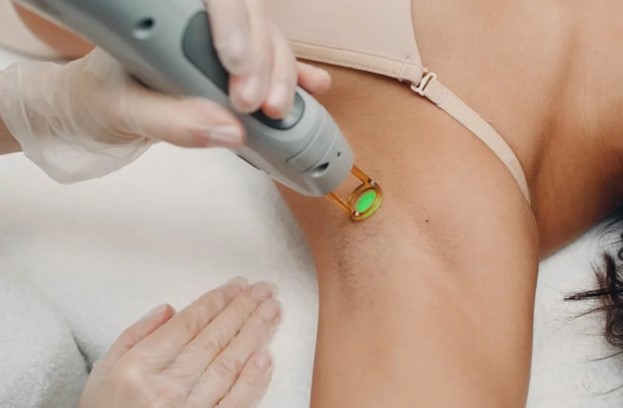
Instead of layering products each day, people are choosing options that simplify their routine in the long run. For example, laser hair removal services are often considered to reduce the need for constant shaving or waxing, making daily maintenance easier.
A New Definition Of Confidence
Confidence in skin care used to be linked to how well imperfections could be concealed. Now, it’s becoming more about comfort and acceptance. That doesn’t mean perfection. It means:
- Feeling at ease with natural skin texture
- Choosing lighter, breathable products
- Allowing skin to be visible without constant correction
It’s a quieter kind of confidence. Less about covering flaws, more about reducing the need to hide them.
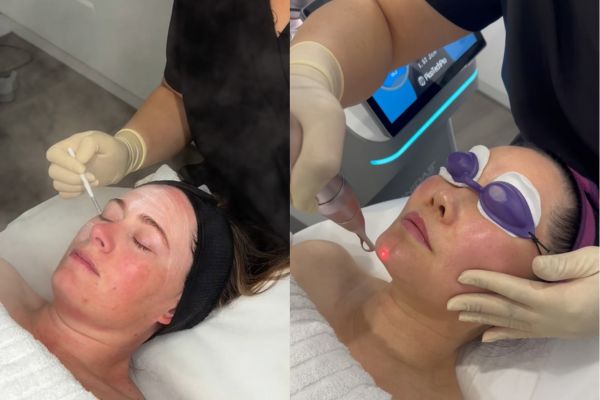
Advanced skin care treatments are gaining attention for addressing concerns like pigmentation, acne, and dullness at the root. This shift reflects a bigger idea—less daily correction, more long-term improvement. It also supports more consistent results over time, reducing reliance on temporary fixes. As routines become simpler, the focus stays on maintaining healthier, balanced skin with fewer daily adjustments.
Where This Shift Is Leading
The move toward less coverage doesn’t eliminate makeup. It reshapes its role.
Foundation becomes optional, not essential. Skin care becomes the foundation instead. As this continues, the focus is likely to stay on:
- Sustainable routines
- Skin health over appearance alone
- Practical, low-maintenance beauty habits
A Natural Close
The shift to less coverage is not about abandoning beauty routines. It’s about redefining them.
A move from layers to clarity. From hiding to improving. From quick fixes to lasting results. And somewhere in that shift, skin care feels less like a mask—and more like something that reflects real, natural confidence.


Leave a Reply